

Laminated Glass
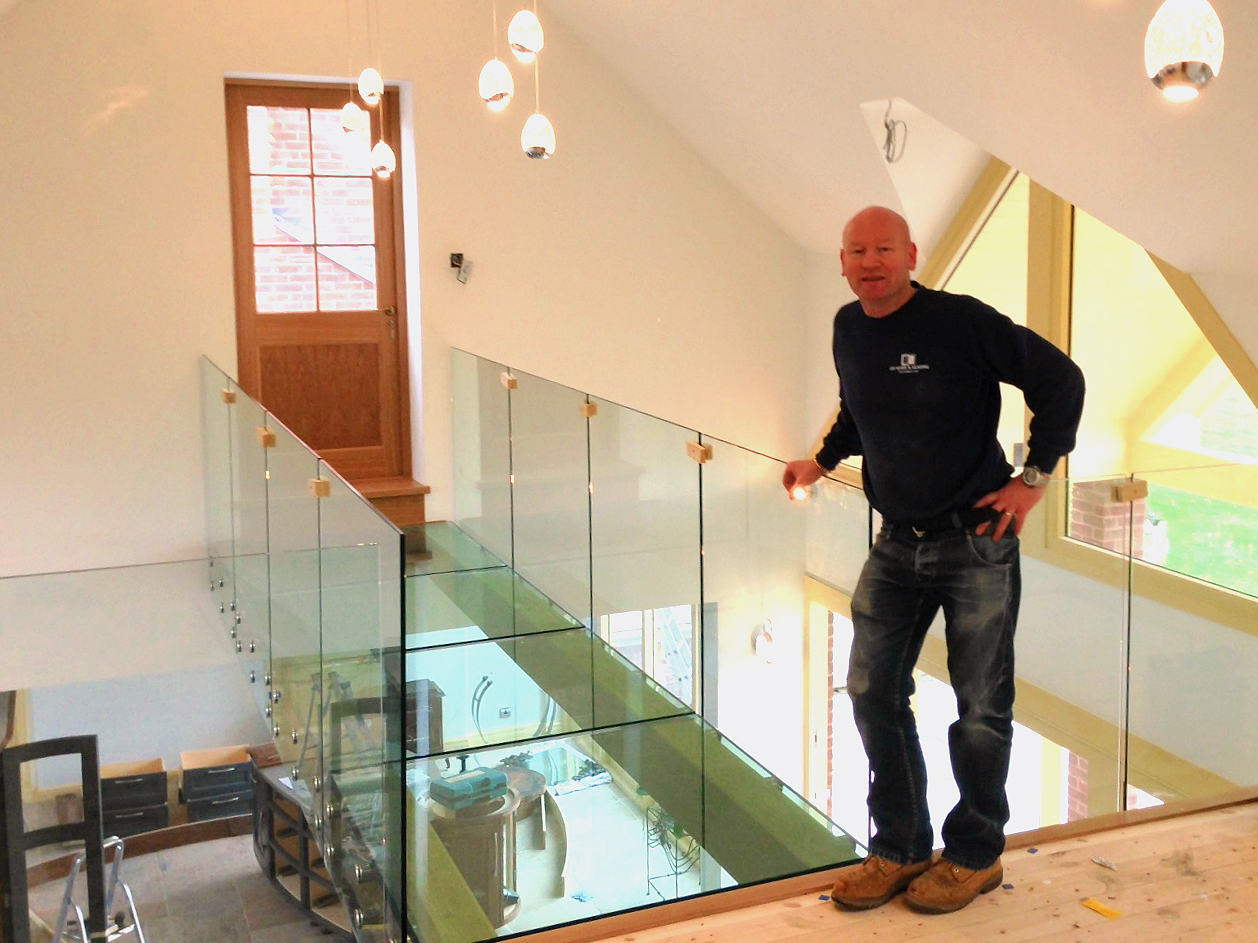
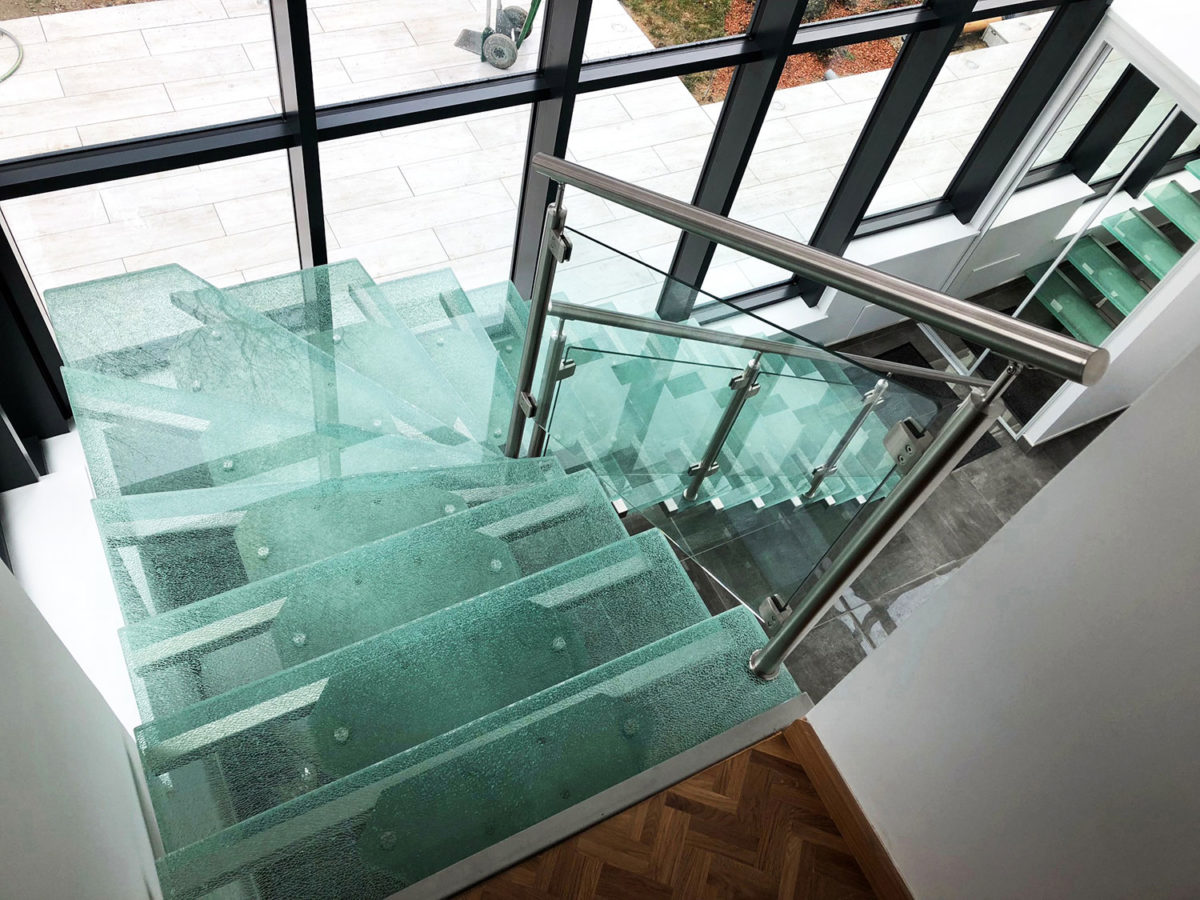
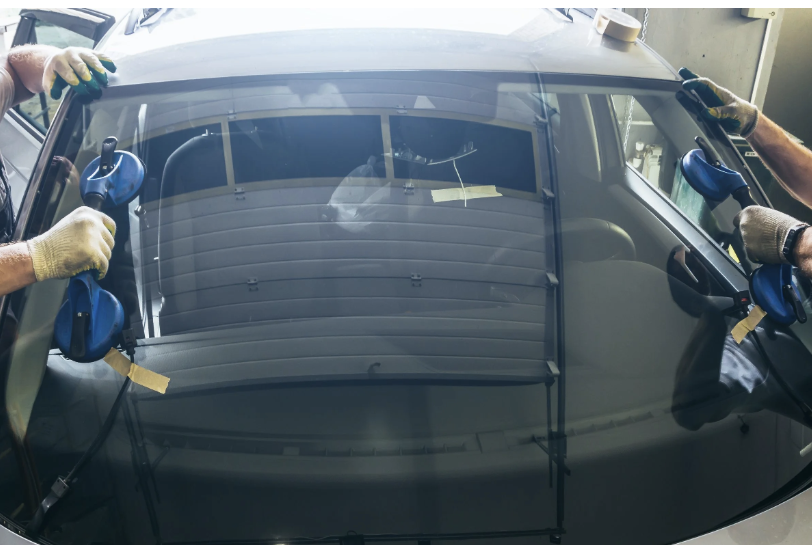
Laminated glass is made by sandwiching a layer of plastic called a "polyvinyl butyral" (PVB) between two layers of glass. This process is done under heat and pressure to bond the layers together. The PVB layer acts as a safety barrier, holding the glass together in case of impact or breakage. The PVB also helps to insulate the car from noise and temperature changes. The glass and PVB are cut to the correct size, then cleaned and placed into a press where they are heated to a temperature of around 150-170 °C, and pressure is applied to bond the layers together. The laminated glass is then cooled, trimmed and checked for defects before being packaged and shipped. Architectural applications: Laminated glass is often used in architectural applications such as skylights, atriums, balustrades, and other features that require safety, strength, and durability. Security and bullet-resistant applications: Laminated glass can be used to make bullet-resistant windows, doors, and other security features. The interlayer in laminated glass helps to hold the glass together when it is shot at, making it more difficult for bullets to penetrate. Storm protection: Laminated glass can also be used to protect against storms and high winds as it is less likely to break or shatter compared to regular glass. UV protection: Laminated glass can be used in UV protective applications such as blocking UV rays in museums, galleries, and other places where UV rays can harm artworks, artifacts and other materials. Soundproofing: Laminated glass can be used to reduce the amount of sound that is transmitted through a window or other opening, making it a good choice for use in buildings near airports, highways, and other loud areas. Privacy and Decorative: Laminated glass can be used for privacy and decorative purposes, you can use a film or a layer of material between the layers of glass to create a different look, pattern or color to the glass.
Best quality Laminated glass is made by PVB with autoclaving technology.
Characteristics
Safety
Laminated glass doesn't shatter like ordinary glass. It
absorbsimpact, resists penetration, and remains intact even if
broken, holding glass fragments in place and lowering the
riskofinjury.
Security
The rise in urban crime and terrorism also points to laminated glass
as increasingly desirable as a material of construction. Laminated
glass resists intrusion because the interlayer continues to
safeguard the building even afterthe glass itself is broken.
Sound Reduction
Laminated glass is an excellent barrier to noise.The sheer damping
performance of the plastic inter layer makes laminated glass an
effective sound control product.This makes it ideal for airports,
hotels, data- processing centres, recording studios, and any
building near airports, highways, ortrain lines.
UV Control
Ultra violet light is the leading cause of deterioration and fading
of furnishings, pictures, and fabrics. Laminated glass screens out
99% of the sun damaging rays, protecting interior furnishing,
displays or merchandise from fading effects of UV radiation.
Earthquakes & Natural Disaster Protection
Earthquakes often produce a fallout of extremely dangerous shards of
broken glass. But laminated glass remains in the frame, maintaining
a protective envelope around the home or building.
Durability
Laminated glass retains its colour and strength for the life of the
building.
Download Our Brochure!
Want to know more about JK Glasses in detail. Just download our brochure.